Let’s Talk About Sugar and Artificial Sweeteners — Are They Really That Bad?
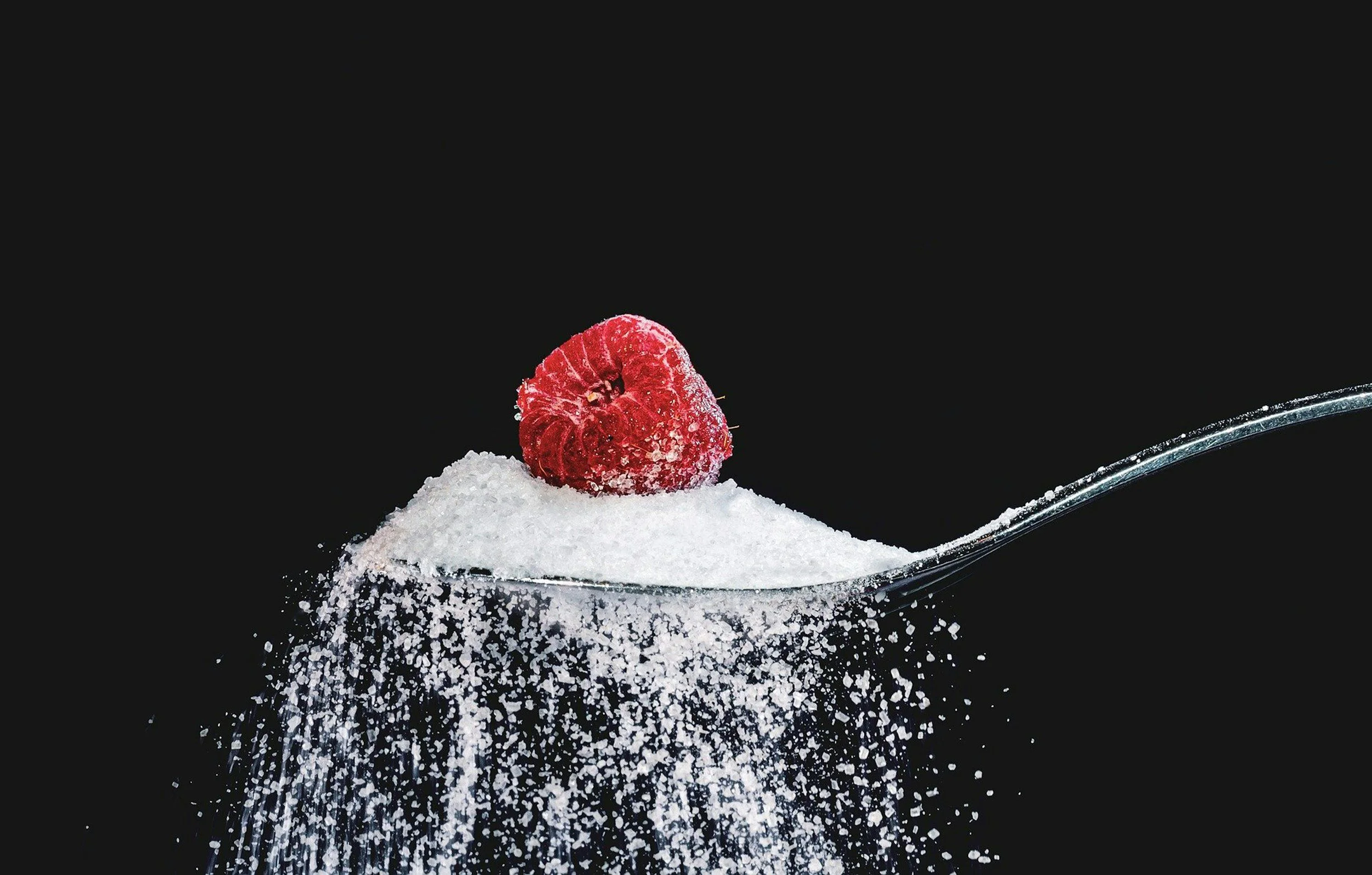
Let’s be real — sugar is delicious. It’s in our morning cuppa, our afternoon snacks, and that “just one bite” dessert that somehow vanishes entirely. But as much as we love it, sugar isn’t exactly doing our health any favours.
We’re not just talking about the natural sugars in fruit or a drizzle of honey on your toast — it’s the added sugars that sneak into everything from cereal to salad dressing. Yep, even your “healthy” granola might be more dessert than breakfast. Too much of this refined stuff can spike your blood sugar, mess with your energy, and increase your risk for all sorts of not-so-fun things like diabetes, heart disease, and inflammation.
So, the food industry came up with a “brilliant” idea: artificial sweeteners. The promise? All the sweetness, none of the calories. Sounds like a dream, right? You could sip your “diet pop” guilt-free and still fit into your jeans. But… as it turns out, our bodies are a little more complicated than that.
The Sweet Lineup: Meet the Artificial Sweeteners
Artificial sweeteners are basically lab-made sugar substitutes that taste super sweet — sometimes hundreds of times sweeter than sugar — but with little to no calories. They’re also called non-nutritive sweeteners (because they don’t give you any nutrients, just sweetness).
You’ve probably met a few of them already:
Saccharin (Sweet & Low — the pink packet that’s been around forever)
Acesulfame potassium (often hiding in “sugar-free” snacks)
Aspartame (Equal or NutraSweet — the blue packet)
Sucralose (Splenda — the yellow one that’s “made from sugar,” but not really)
They’re everywhere — in diet sodas, protein shakes, gum, and even some yogurts that claim to be “healthy.”
So… Are They Actually Better for You?
Well, that’s where things get sticky (pun intended). The research is all over the place. Some studies say artificial sweeteners are fine, others say they might mess with your metabolism, gut health, or even your cravings.
And here’s the ironic part — some studies found that people who drink diet soda regularly actually have double the risk of gaining weight compared to those who don’t. Wait, what? The whole point was to avoid that!
Other research links daily diet drink consumption to a higher risk of metabolic syndrome and diabetes. Now, that doesn’t mean your one can of diet cola is dooming you, but it does make you think twice about swapping all your sugar for the fake stuff.
Why Does This Happen?
There are a few theories floating around:
Maybe people think, “I had a diet soda, so I can totally have dessert.”
(We’ve all been there.)
Maybe artificial sweeteners mess with your taste buds so that fruit tastes bland and veggies taste like cardboard.
Or maybe they trick your body into thinking sugar is coming, so it releases insulin — but when no sugar shows up, your blood sugar drops and you start craving sweets like crazy.
Some research even suggests that certain sweeteners might affect your gut bacteria, which can influence how your body handles sugar and hunger.
Basically, your body’s like, “What is this sweet-tasting imposter, and what am I supposed to do with it?”
The Sweet Spot (Pun Intended)
Here’s the deal: added sugar isn’t great for you, but replacing it with a bunch of artificial sweeteners might not be the magic fix either.
The best approach? Start cutting back on both. Retrain your taste buds to enjoy foods that aren’t overly sweet. You’ll be surprised how quickly your palate adjusts — suddenly, an apple tastes like candy and your morning cuppa doesn’t need three spoonfuls of sugar to be enjoyable.
If you still want a little sweetness, try natural options like stevia, monk fruit, or a drizzle of maple syrup or raw honey. Just keep it balanced.
Because at the end of the day, wellness isn’t about perfection — it’s about finding that sweet (but not too sweet) spot that works for you.
If you want to learn more about why we LOVE sugar, and how to break free, then your next step is to download my FREE Guide. This guide provides evidence-based insights and practical strategies to help you understand and overcome your sugar cravings
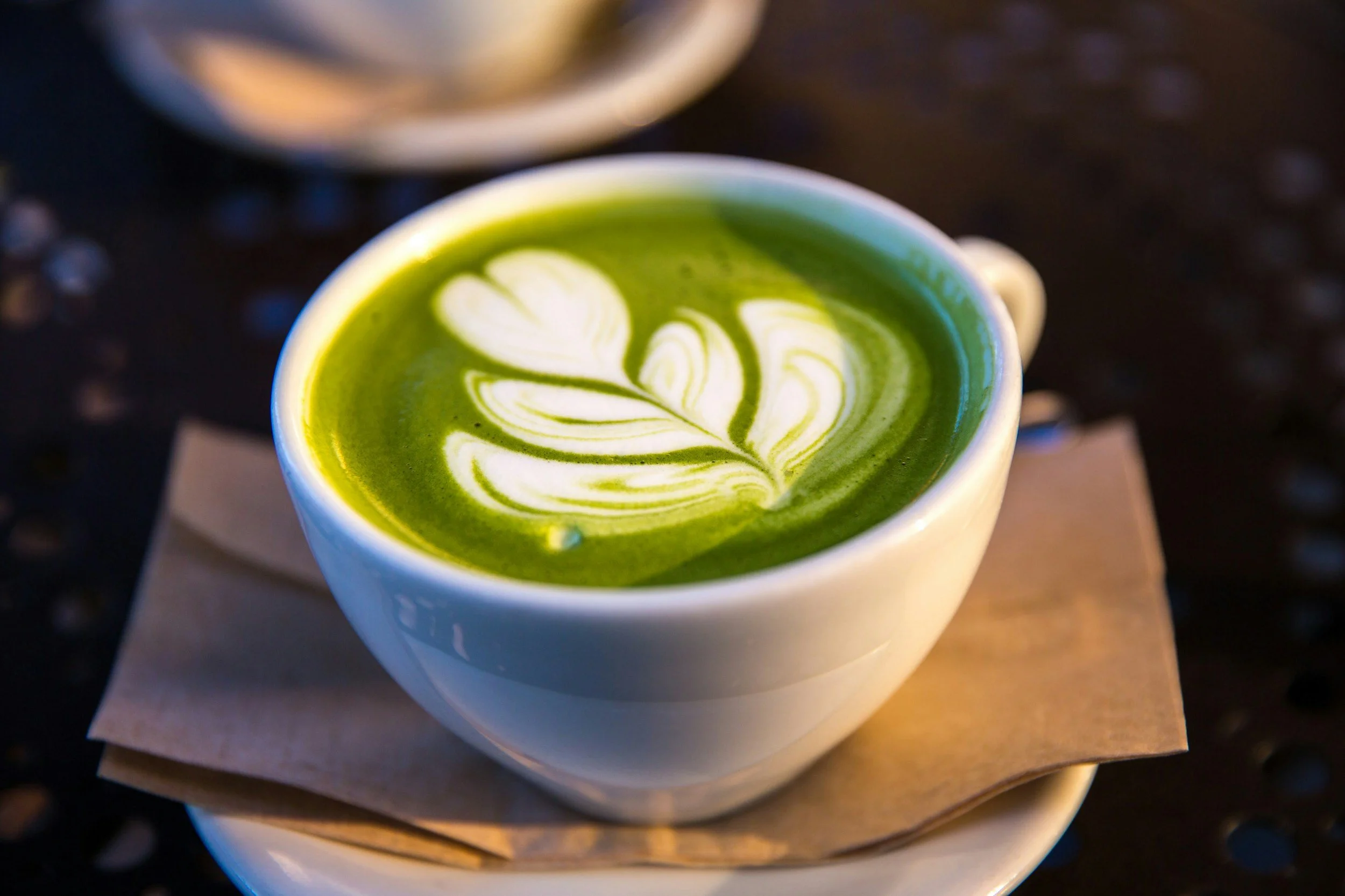
I know it’s hard to replace your regular treats with healthier options. Here is a yummy and easy recipe to try out! I think you will like it!
SWEET ENOUGH creamy MATCHA LATTE
Serves: 1
Ingredients:
1 teaspoon matcha powder
1½ cups unsweetened almond milk
1–2 teaspoons maple syrup or honey (optional)
Directions:
In a small pot, gently heat the almond milk with maple syrup or honey, if using, until warm but not boiling.
Add the matcha powder to a cup or mug.
Pour about ¼ cup of the warm milk into the cup and whisk or stir until the matcha is fully dissolved and smooth.
Add the remaining milk and stir to combine.
Serve & enjoy!
