12 Healthy Eating Habits to Start Today
Healthy Eating Made Simple (and a Little Fun)
Whether you’re trying to lose weight, gain muscle, or just fuel your body so you don’t crash by 3 p.m., these healthy eating habits are easy to start today—and even easier to stick with.
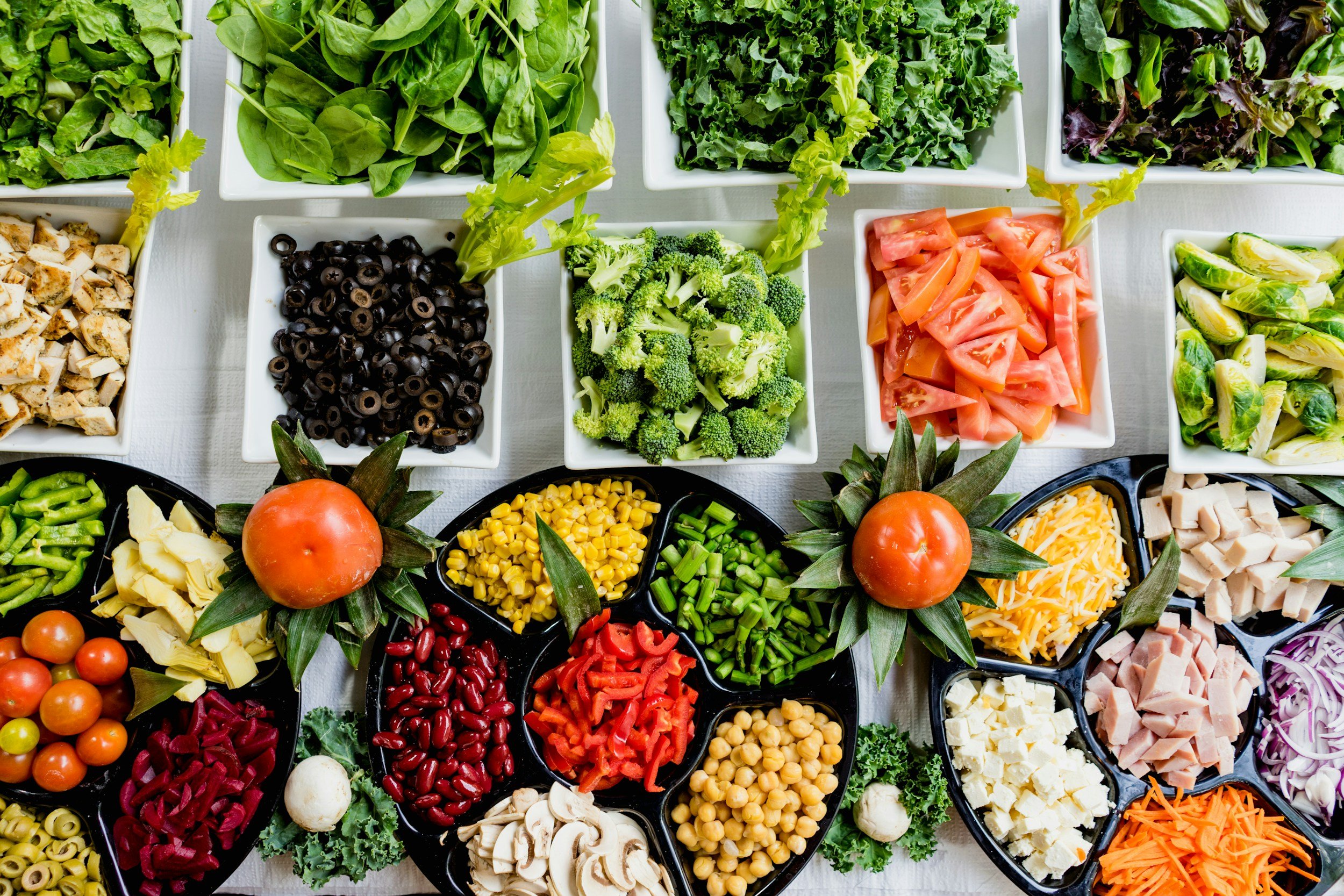
Let’s be honest: nutrition can feel like a puzzle with too many pieces. Protein this, fiber that, oils to avoid—ugh! But don’t worry. Some habits are good for everyone, no matter your goals.
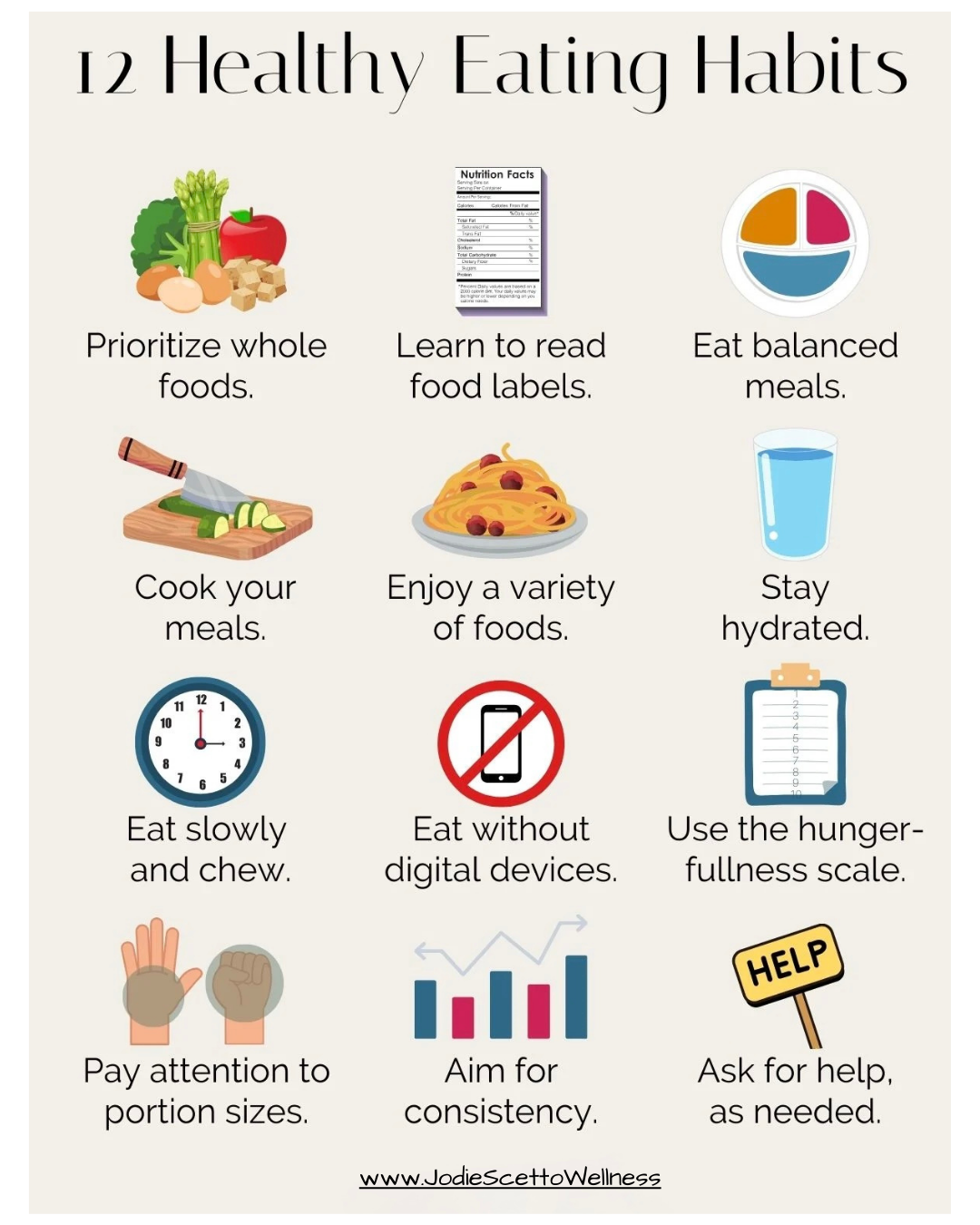
12 Healthy Eating Habits You Can Start Today
1. Prioritize Whole Foods
If it grew on a tree, walked on land, or swam in the sea, it’s probably a good choice. Whole foods—like fruits, veggies, beans, grains, nuts, seeds, meat, and fish—are packed with nutrients your body loves. The more real food you eat, the less room there is for the processed stuff that sneaks in extra sugar, salt, and mystery ingredients you can’t pronounce.
2. Learn to Read Food Labels
Think of food labels as your nutrition cheat sheet. The ingredient list tells you what’s really inside that “healthy” snack. If it reads like a science experiment, maybe skip it. But not all packaged foods are bad—some jarred sauces, soups, and granolas can totally fit into a healthy routine.
3. Eat Balanced Meals
Every meal should have a little bit of everything—protein, carbs, fiber, and healthy fats. It’s like building a team: each player has a role. Balanced meals keep your blood sugar steady, your energy up, and your cravings down.
4. Cook Your Meals
Cooking at home doesn’t have to mean gourmet chef status. Even simple meals made from real ingredients beat takeout most days. Plus, you control what goes in—less sugar, less oil, and no weird additives. Bonus: your wallet will thank you too.
5. Enjoy a Variety of Foods
Eating the same thing every day is boring (and your body agrees). Mix it up! Different foods bring different nutrients to the table. Unless you have allergies or intolerances, there’s no need to ban entire food groups.
In fact, the consequences of excluding major food groups aren’t just physical—studies show that rigid dieting can lead to overeating, mood swings, and even disordered eating. So instead of labeling foods as “good” or “bad,” focus on balanced meals made with whole foods—and yes, include your favorite treats too.
6. Stay Hydrated
Water is your body’s best friend. A good rule of thumb is about 1 liter for every 75 pounds of body weight, but that can vary depending on your activity level, environment, and health. Coffee, tea, and smoothies count (sort of), but plain water is still the MVP. Try to limit sugary drinks like soda, juice, and cocktails—they’re sneaky calorie bombs in disguise.
7. Eat Slowly and Chew Your Food
Digestion starts in your mouth—yep, before the food even hits your stomach. Chewing well helps your body break down food and can prevent bloating and indigestion. Plus, eating slowly gives your brain time to catch up with your stomach, so you’re less likely to overeat. Think of it as mindful munching.
8. Eat Without Digital Distraction
Put down the phone, close the laptop, and actually taste your food. When you eat while distracted, you tend to eat more without realizing it. Making mealtime a screen-free zone helps you tune in to your hunger cues and enjoy your food more.
9. Practice Intuitive Eating with the Hunger-Fullness Scale
This simple tool helps you reconnect with your body. Rate your hunger from 0 (starving) to 10 (stuffed). Aim to eat when you’re around a 3 or 4 and stop when you’re comfortably satisfied—around a 7. It’s a great way to build awareness and trust your body’s signals again.
10. Pay Attention to Portion Size
You don’t need to count every calorie, but being mindful of portions helps you stay balanced. Use your hands as a guide—your palm for protein, a fist for carbs, and a thumb for fats. It’s not about restriction; it’s about fueling your body with the right amounts.
11. Aim for Consistency, Not Perfection
Healthy eating isn’t about being perfect—it’s about showing up for yourself most of the time. One indulgent meal won’t derail your progress, just like one salad won’t fix everything. Focus on progress, not perfection.
A healthy diet can (and should) include “junk” food—it just needs to be the exception, not the rule. If you prioritize whole foods, create balanced meals, and cook most of the time, you can enjoy treats and sweets without guilt. That’s what flexible, realistic eating looks like.
12. Ask for Help
If you’re struggling to build healthy habits or need guidance for a specific health condition, reach out to a nutritionist. Working with a qualified nutrition coach can help you create a personalized plan that supports your goals and fits your lifestyle. Because sometimes, the best habit is knowing when to ask for a little help.
