What You Think You Know About Healthy Eating Might Be Wrong
It’s January — the month when everyone suddenly becomes a nutrition expert. The internet is bursting with “new year, new you” advice, and every influencer seems to have the secret to perfect health. More Protein! Intermittent fasting! Celery juice! (Spoiler: celery juice is not a personality.)
But here’s the thing — a lot of what we think we know about healthy eating might actually be missing the mark.
The Calorie Counting Trap
For years, we’ve been told that health and weight management come down to one simple equation: calories in versus calories out. Eat less, move more, and voilà — instant wellness!
Except… not really.
Sure, how much you eat matters. But it’s not the whole story. The quality of your food — what you eat and how you eat it — plays a massive role in how your body feels, functions, and thrives.
Think of it this way: you wouldn’t fill your car with cheap gas and expect it to run like a dream. The same goes for your body.
What You Eat Matters (A Lot)
Let’s shift the focus from quantity to quality. A balanced, minimally processed diet is the real MVP for maintaining energy, achieving weight balance, and promoting overall wellness.
Here’s what that looks like in real life:
Colourful fruits and veggies at almost every meal. They’re packed with fibre, antioxidants, vitamins, and minerals — basically nature’s multivitamin.
Protein power. Protein helps build and repair tissues, supports metabolism, and keeps hunger in check. Bonus: it can even give your metabolism a little boost.
Healthy fats. Yes, fat is your friend! Essential fatty acids support brain health, hormone balance, and help your body absorb fat-soluble vitamins (A, D, E, K). Think extra virgin olive oil, coconut oil, egg yolks, and grass-fed meats.
How You Eat Matters Too
Now, let’s talk about something most people overlook — how you eat.
If meals usually happen in the car, at your desk, or while scrolling through your phone, your digestion might be waving a white flag.
Enter: mindful eating.
This isn’t just a trendy buzzword. It’s about slowing down, taking smaller bites, chewing thoroughly, and actually tasting your food. When you eat mindfully, your body gets the signal to start digesting properly. Plus, it takes about 20 minutes for your brain to realize you’re full — so slowing down can naturally help prevent overeating.
The Smoothie Situation
Smoothies can be a fantastic way to pack in nutrients — especially when mornings are chaotic. But here’s the catch: drinking too many of your meals can sometimes leave you feeling unsatisfied or sluggish.
If a smoothie is your go-to, treat it like a full meal, not a snack. Add some protein (like Greek yogurt or good quality protein powder) and fibre (flax seeds, berries or leafy greens) to keep you full and energized. And sip it slowly — your digestive system will thank you.
The Bottom Line
Healthy eating isn’t just about how much you eat. It’s about what you eat and how you eat it.
So this January, skip the diet drama and focus on nourishing your body with real, colourful, satisfying food — and maybe a little laughter along the way.
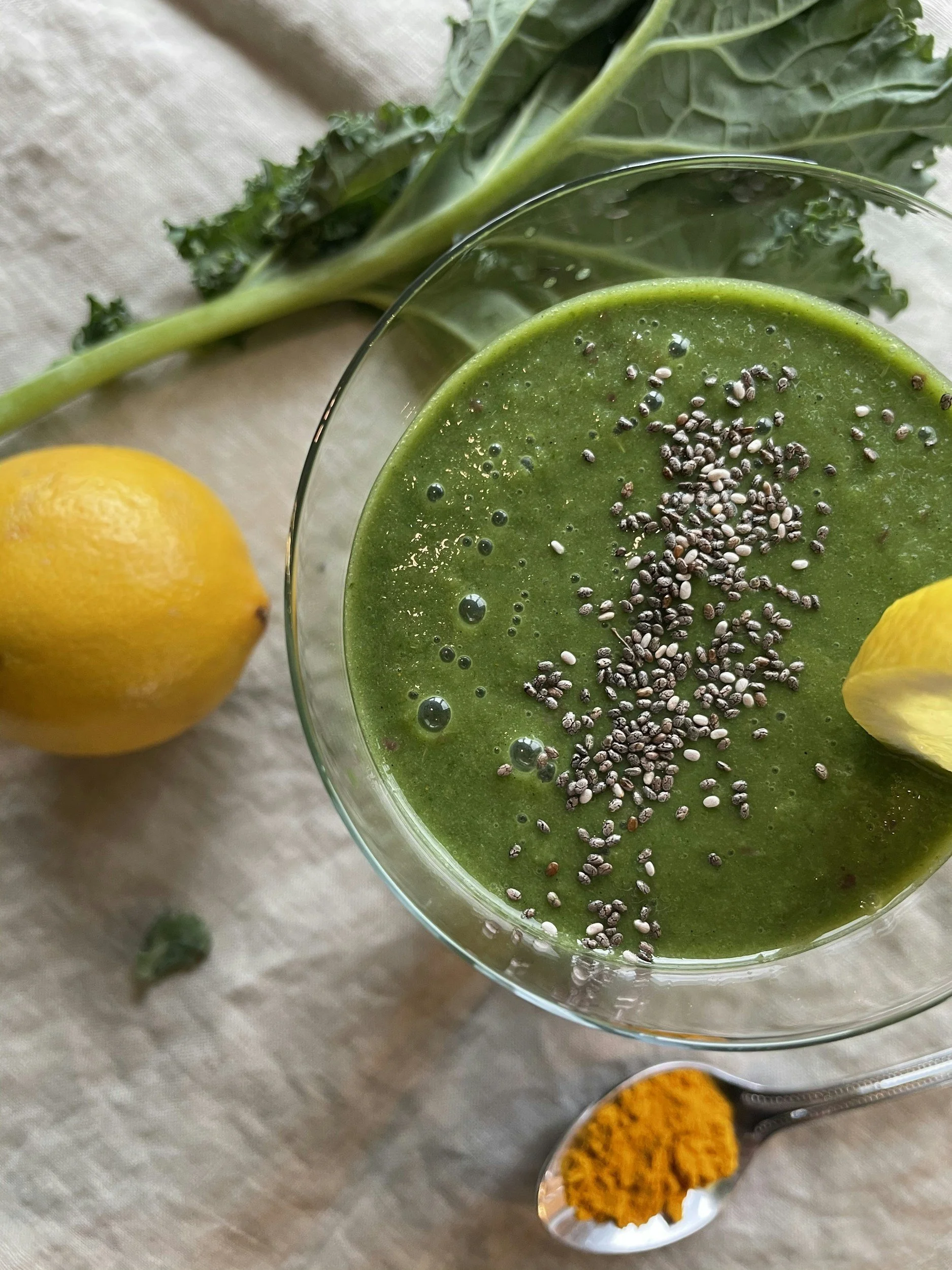
Recipe: Green Goddess Smoothie
Ingredients:
1 cup unsweetened almond milk (or any milk of choice)
1 handful spinach or kale
½ banana
½ avocado
1 tbsp chia or ground flax seeds
1 scoop protein powder (optional)
A squeeze of lemon juice
Ice cubes
Instructions:
Add all ingredients to a blender.
Blend until smooth and creamy.
Sip slowly and enjoy every nourishing sip.
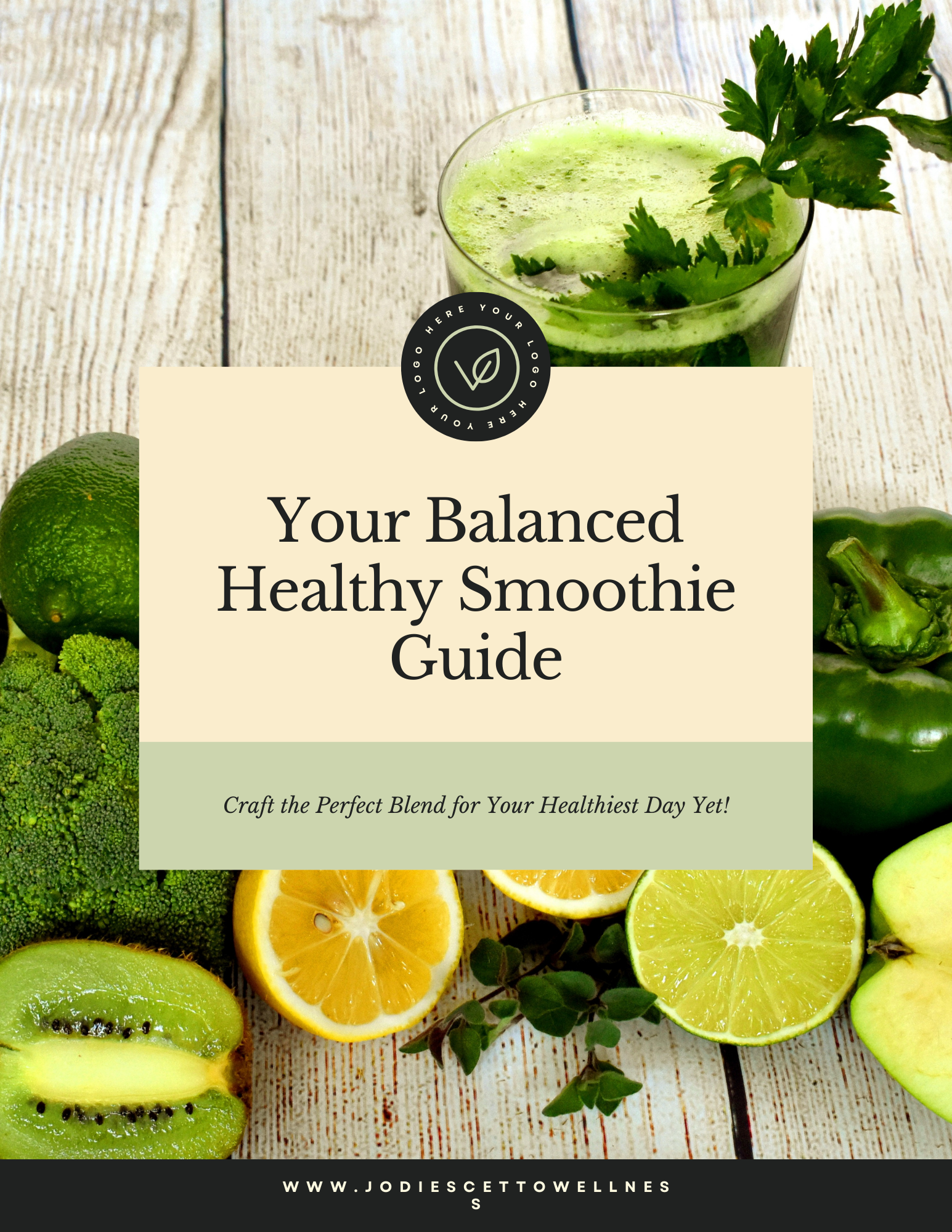
Ready to upgrade your smoothies? Click the link and grab the guide now.
Remember: Health isn’t about perfection — it’s about progress, balance, and a little bit of humour along the way.
